


You may not be a plumber, but having a basic understanding of the intricacies of your home’s plumbing system may enable you to troubleshoot minor issues and equip you with the skills necessary to maintain your system’s health, potentially saving you significant costs down the line.
In this article, our specialists at Woden Valley Plumbing and Gasfitting Services will guide you step-by-step through the complexities of your waste and water supply system, explaining their various functions from start to finish. From clogged drains to where you get your hot water from, we’ll cover everything you need to know.
The Two Types of Supply Lines in Household Plumbing Systems
Your home system is an intricate network composed of two separate subsystems.
One of the supply lines in your plumbing systems brings in the freshwater that allows you to drink, cook, and clean, while the other efficiently manages the wastewater created as a result, safely routing it out of your property.
The two distinct subsystems work independently, but both are critical for the functioning of a comprehensive home plumbing system.
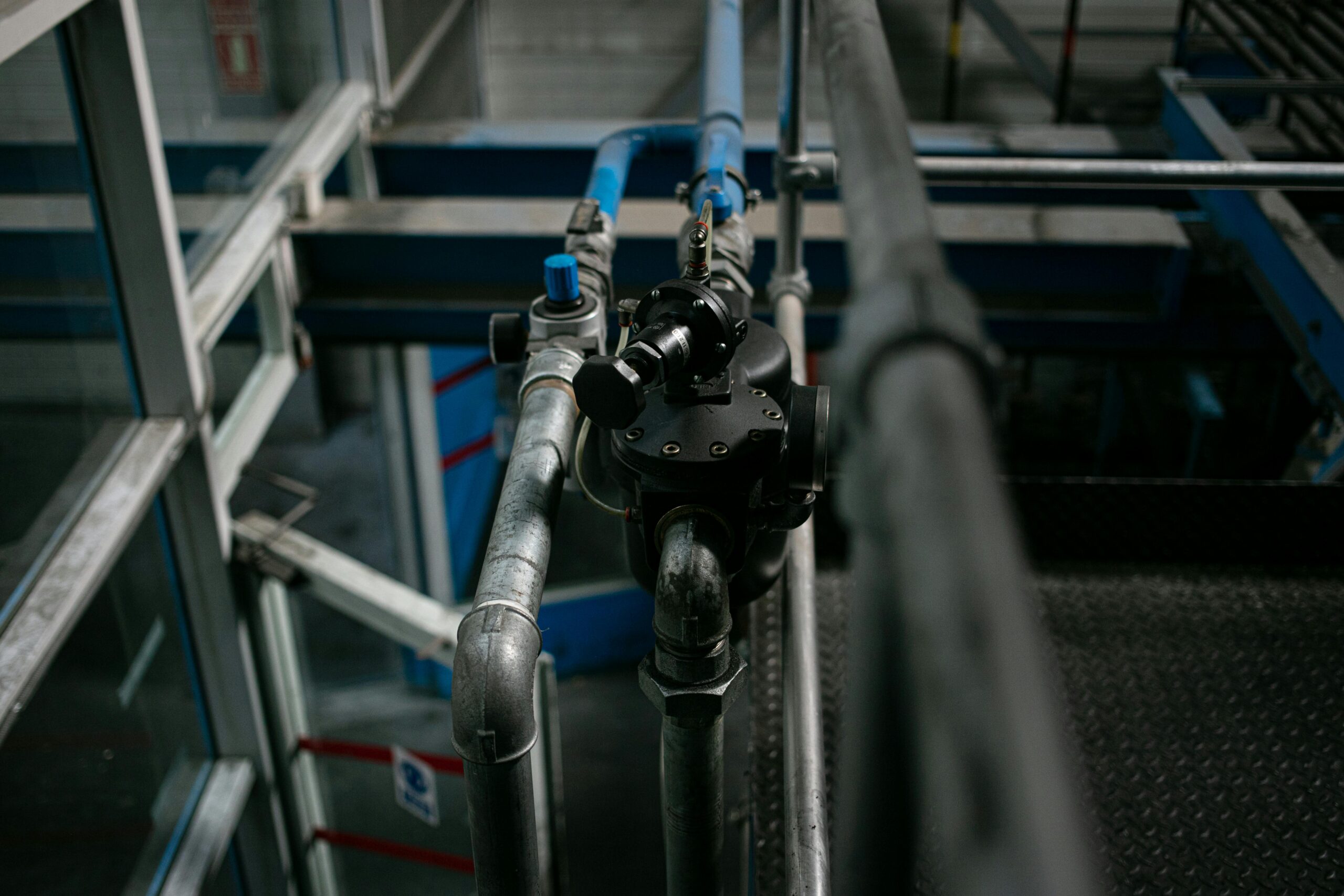
Freshwater enters your home through the main supply line, travelling through a series of plastic, iron, or copper pipes. These pipes feed into the various fixtures throughout your property, ranging from water heaters to washing machines, delivering clean water exactly where you need it.
Main supply lines are the most crucial component of your home’s freshwater system. They directly connect your dwelling to the public water source or, in some rural cases, a private water supply. This setup facilitates the unhindered flow of potable water into your house right from the source.
How the Water Supply Lines Work
Hot and cold water supply lines are like the vital arteries of home plumbing systems, responsible for delivering clean, safe drinking water to various fixtures and appliances. As mentioned above, the water typically enters your property through a main supply line, forming the primary connection between your home and the local public water source or a private well.
Drinkable water from the source is initially transported to a water tower. The inherent mechanism then uses the force of gravity with the tower’s elevation to generate the pressure required for the water to traverse through the supply lines and eventually reach your home.
Importance of & What Can Affect Water Pressure
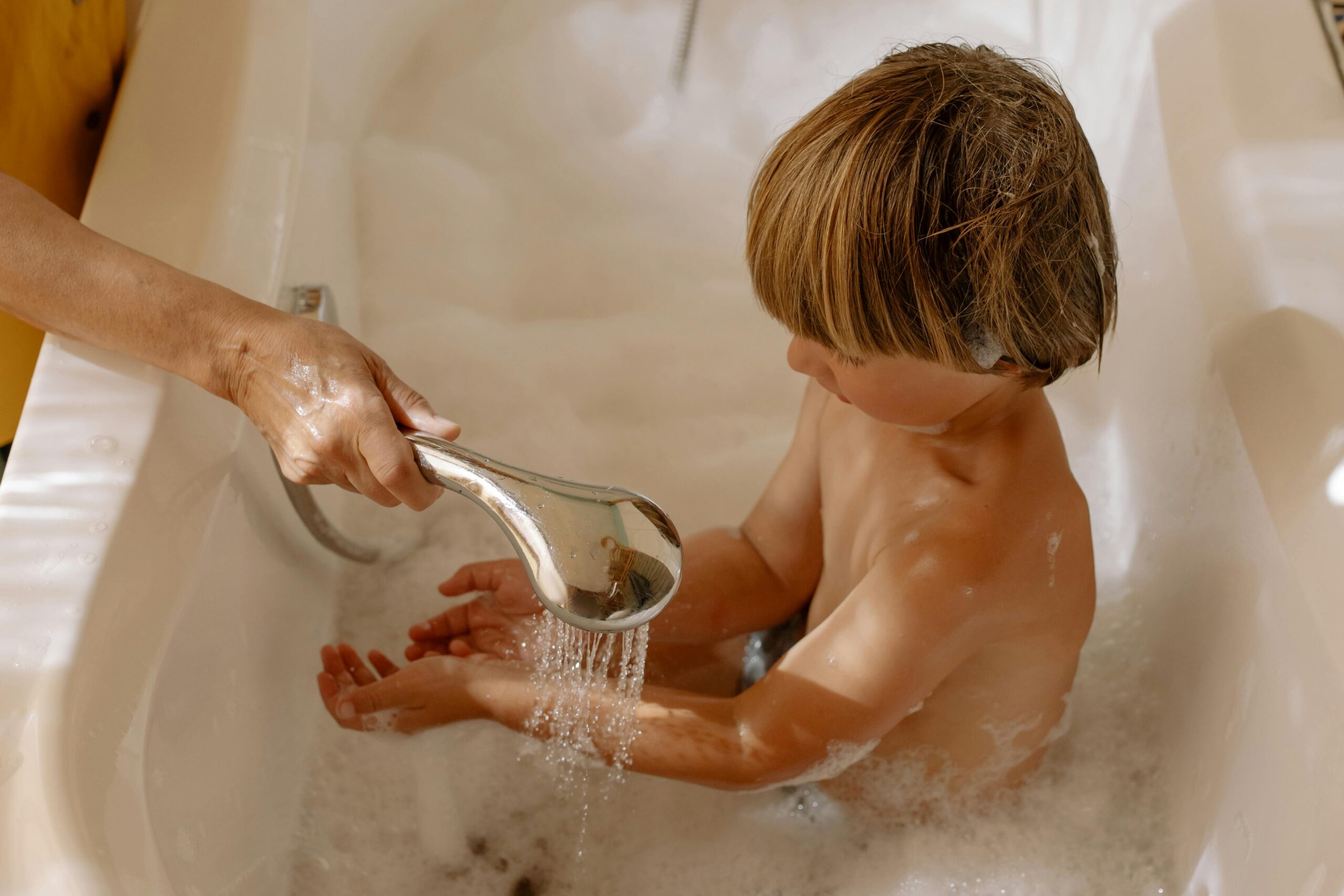
Water pressure is absolutely crucial for the functioning of your home plumbing system. This force propels the water through the pipes to reach the various fixtures. A common issue faced by many households is low water pressure. This decrease in pressure can significantly affect your regular water use, resulting in a compromised shower or a slow-filling bathtub, for instance.
How Your Drain Pipes Operate
The drainage system in your home plays a crucial role in maintaining the health and functionality of your plumbing network. It ensures that wastewater is effectively removed, preventing potential issues that can be costly and inconvenient to address.
The process begins at your home’s various fixtures. When you turn off a tap, or your washing machine or dishwasher finishes its cycle, the water doesn’t simply disappear. Instead, it is swiftly carried away by your home’s complex drain waste vent system.
These drains connect to larger ones, eventually all converging into a single main line that carries wastewater from your residential plumbing system to either a city sewer system or a septic tank on your property.
Vent pipes are an essential component of any drainage system. Usually seen as pipes sticking out of roofs, they allow air to enter the system, enabling water to flow smoothly through the pipes and preventing sewer gases from returning to the property.
Every part, from the smallest pipe to the wider septic system, must perform its role flawlessly for the drainage system to function effectively. So, regular check-ups and timely maintenance of your home’s drainage system are absolutely essential.
Essential Plumbing Components: More than Pipes and Water
While it is common knowledge that a well-maintained plumbing system involves an intricate network of pipes and continuous water flow, the integral roles that certain components play still need to be appreciated.
Let us turn our attention to these often-overlooked elements:
Valves
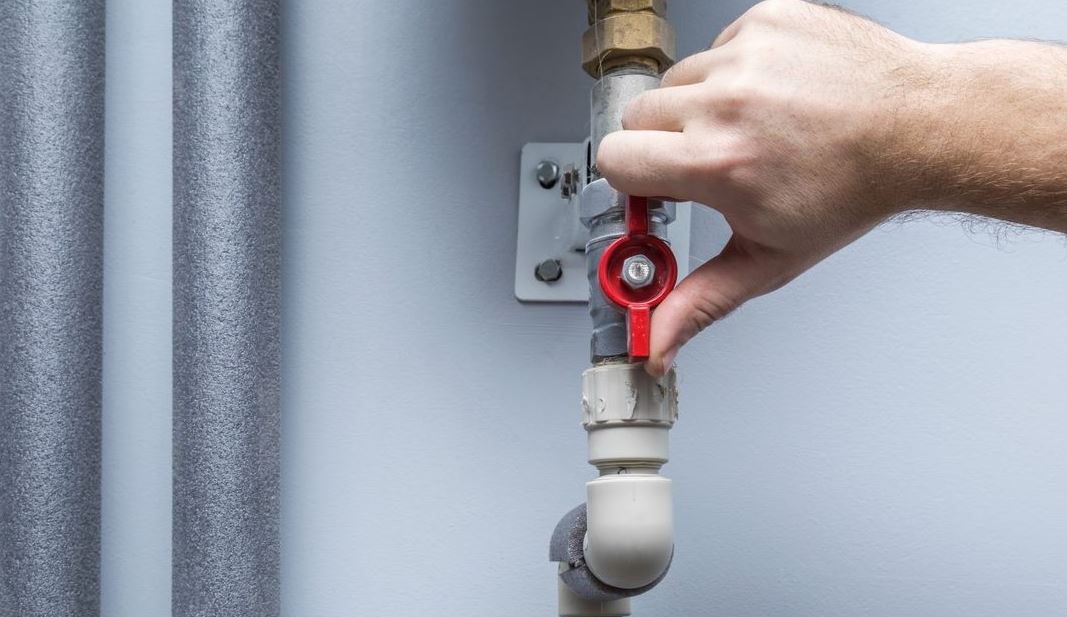
The valves in your plumbing system work as pivotal control points, allowing you to regulate the water flow within your pipes. This regulation is crucial during maintenance or emergencies, when restricting water flow becomes necessary. Several types of valves exist, each designed for a specific purpose, including ball valves, gate valves, and shutoff valves.
Some are used for water supply cutoffs to individual fixtures, while others control hot and cold water flow. Regular inspection is fundamental to maintaining valve functionality, as a faulty one may lead to disastrous scenarios like flooding.
Clean Out Plug
The clean-out plug is another significant part of a well-functioning plumbing system and is usually located on a drain or sewer pipe. Its key function is to provide easy access to remove blockages and facilitate regular maintenance within the system.
A screw or plug typically seals the clean-out, which can be removed with a wrench when necessary. It’s important to ensure your clean-out plug is easily accessible and not hidden or obstructed, as you might need quick access to it in case of a blockage.
Faucets
Unsurprisingly, faucets are the most used fixtures in a plumbing system. Beyond their obvious application, they serve as a crucial juncture between the user and the plumbing system, controlling the water flow and temperature from the water heater.
Understanding your faucet type and how to maintain it properly can result in significant fixture longevity, which is beneficial from both a practical and economic perspective. Keep an eye out for signs of problems like dripping or leaking, as these can indicate more serious underlying issues with your plumbing setup.
Water Meter
The water meter, generally located outside the property, monitors your water usage. This data reflects both your bill and helps identify any abnormality in the water flow that might suggest a leak.
Regular checking of the water meter, separate from the provided monthly readings, assists in keeping a tab on water consumption and the overall health of your plumbing system.
Additionally, learning how to read your water meter can prove handy in managing your water usage and saving a significant amount of money in the long term.
Key Takeaways
- Home plumbing consists of two key supply line types – the water supply lines that bring fresh water into your home and the drainage system that removes wastewater.
- The workings of your home’s water supply lines depend on pipes, pressure, and gravity to ensure smooth water delivery into your household.
- Your property’s drainage system, often overlooked, is crucial to the sanitation and hygiene of your house. It ensures the removal of wastewater without causing backflow or contamination.
- Your home plumbing encompasses several essential components beyond pipes and water, such as valves, cleanout plugs, faucets, and water meters.
- Understanding the key plumbing components will aid you in performing basic maintenance tasks and identifying potential issues efficiently.
- Professional help is vital for complex plumbing issues. DIY measures should only be used for minor issues, and should be based on accurate knowledge of the plumbing system.
We have a professional plumber ready to assist with any issue with your water supply system. Contact us at Woden Valley Plumbing & Gasfitting today.