



Knowing how to turn off the water from your water main is essential for every homeowner in Australia.
Whether you’re dealing with a burst pipe, planning plumbing repairs, or heading away for an extended trip, shutting off the water supply can prevent significant damage and save you from costly repairs. This guide will walk you through everything you need to know, from locating your water meter to troubleshooting common issues.
Why You Might Need to Shut Off Your Water Main
There are several situations where turning off your water main becomes necessary. One of the most common reasons is a plumbing emergency, such as a burst pipe or a major leak. Water can quickly flood your home, causing structural damage and ruining furniture, flooring, and electrical systems. Because the water main controls the water flow and supply to your home, shutting it off can limit the extent of the damage.
Another scenario involves home renovations or plumbing upgrades. Many plumbing tasks—such as replacing taps, installing new fixtures, or repairing pipes—require the water supply to be turned off for safety and practicality. Even routine maintenance, like fixing a dripping tap, may involve isolating the main water valve and supply.
Finally, turning off your water main can be a proactive step when leaving your home unattended for an extended period. This can prevent unexpected leaks or a burst water pipe that bursts while you’re away.
Step-by-Step Instructions for Turning Off Your Water Main
1. Locate Your Water Meter
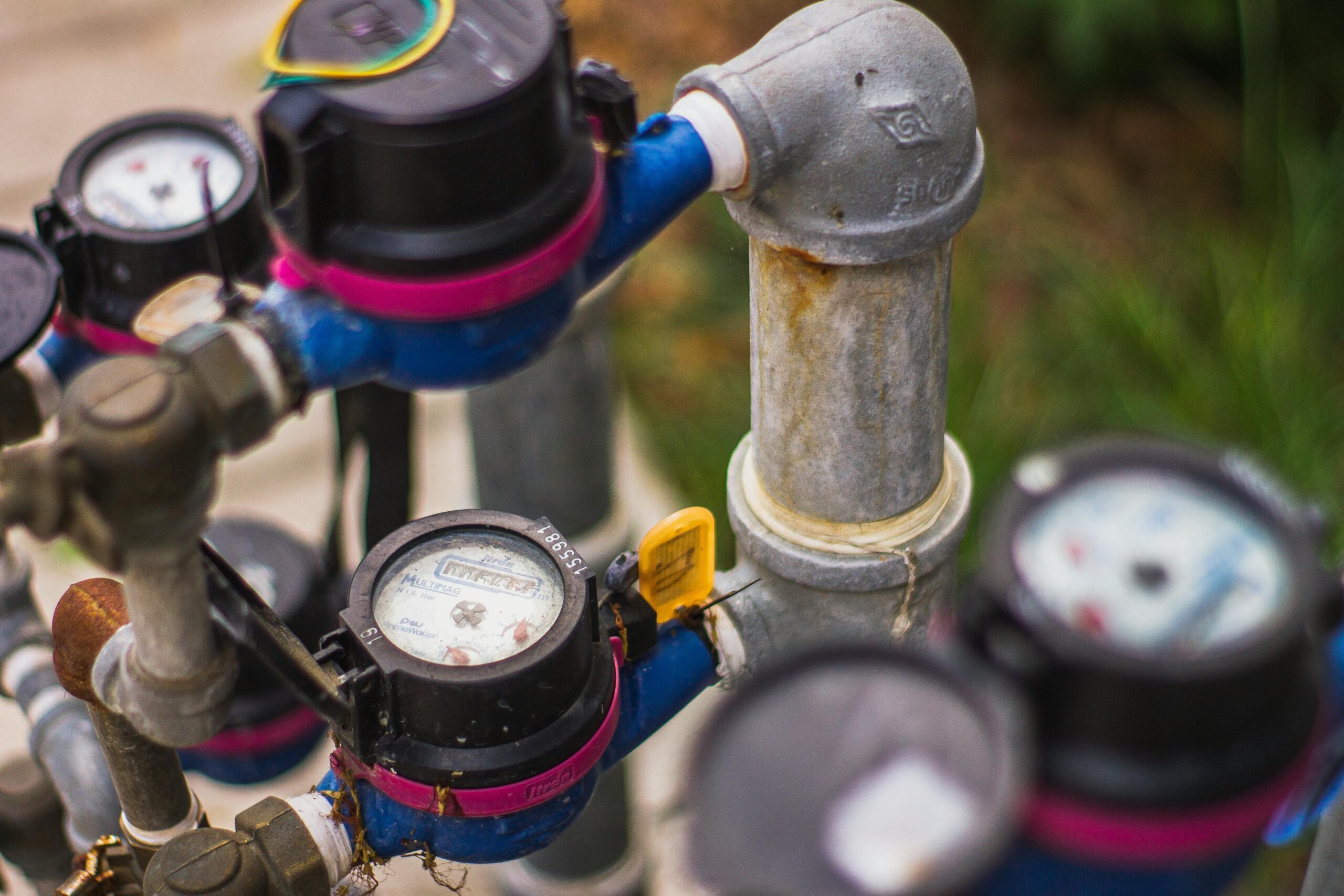
The first step is finding your water meter, which houses the shut-off valve. In most Australian homes, the meter is located at the front of the property near the boundary line. It’s often positioned in a garden bed, under a small metal, concrete or plastic cover marked “Water.” This is the council cover plate.
For those living in units or apartments, things may be slightly different. The isolation water valve itself might be located in a shared area, such as a car park or hallway cupboard. In some cases, it could be inside your uni,t under sinks or in laundries.
If you’re unsure where to look, check with your local council or water provider for guidance.
2. Open the Meter Box
Once you’ve found the meter box, you’ll need to remove its cover. This can usually be done by hand, but if it’s tightly sealed, use a flathead screwdriver to pry it open gently. Be cautious when opening the box—sometimes insects or spiders may have made it their home.
If water has accumulated inside the box due to rain or leaks, scoop it out with a cup so you can access the valve more easily.
3. Identify the Shut-Off Valve
Inside the meter box, you’ll find two key components: the water meter itself and the shut-off valve. The valve is typically located on one side of the water meter boxes and comes in two common types:
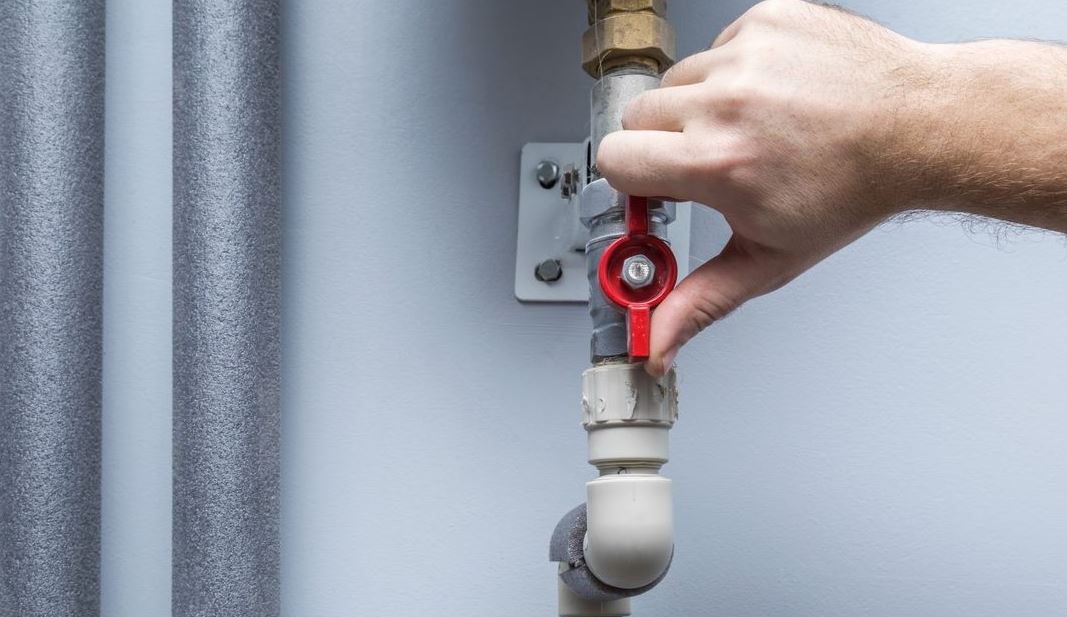
- Ball Valve: This has a lever handle that turns 90 degrees.
- T-Top Valve: This features a T-shaped handle that rotates clockwise to close.
Both types are straightforward to operate once identified. Note that the water main is designed to be completely open or totally closed, allowing for full flow or stopping water flow altogether.
4. Turn Off the Valve
To shut off your water supply:
- For ball valves: Rotate the lever handle 90 degrees clockwise until it’s perpendicular to the pipe.
- For T-top valves: Turn the handle clockwise until it stops completely.
This action will stop all water flowing into your property.
5. Test Your Water Supply
After closing the valve, open one of your taps inside the house to check if water supply has stopped. If no water comes out after a few seconds, you’ve successfully turned off your main supply.
If water continues flowing despite the stop valve or closing the valve fully, there may be an issue with your shut-off valve or plumbing system that requires professional assistance.
6. Turn Water Back On When Needed
When you’re ready to restore your water supply:
- Turn ball valves 90 degrees anti-clockwise so they’re parallel with the pipe.
- Rotate T-top valves anti-clockwise until fully open.
Once gate valves are reopened, run a tap briefly to release any trapped air from your pipes before using them normally again.
Tools That Can Help
|
Tool |
Use Case |
|
Screwdriver |
Removing tightly sealed meter box covers |
|
Shifting spanner |
Loosening stiff or stuck valves |
|
Gloves |
Protecting hands while handling valves |
|
Cup |
Removing standing water from meter boxes |
Having these tools on hand can make accessing and operating your water shut-off valve much easier during emergencies or routine maintenance.
Tips for Avoiding Common Issues
- Locate Your Meter Early
Don’t wait until an emergency arises—find your water meter boxes now so you know exactly where it is when you’re dealing with your water supply. - Check Valve Condition Regularly
Over time, shut-off valves can become stiff or corroded due to lack of use. Test yours periodically to ensure it’s functioning properly. - Keep Tools Handy
Store basic tools like screwdrivers and spanners near your meter so they’re readily available if needed. - Educate Household Members
Make sure everyone in your household knows how to locate and operate the shut-off valve in case of emergencies. - Call Professionals When Necessary
If you encounter issues like stuck valves or unclear plumbing layouts, don’t hesitate to contact a licensed plumber for assistance.
Key Takeaways
- Learn where your water meter is located and how to operate its main shutoff valve.
- Test your shut-off valve periodically to ensure it’s functional and provides adequate water supply.
- Keep basic tools like screwdrivers and spanners handy near your meter.
- Use individual isolation valves for minor repairs when possible.
- Call a licensed plumber if you encounter any difficulties with accessing or operating your main valve.
Frequently Asked Questions (FAQs)
What if I Can’t Find My Water Meter?
If you’ve searched typical locations like garden beds and boundary lines without success, try checking less obvious areas such as driveways or backyards (for older homes). For units and apartments, consult building management or strata services for guidance on shared isolation points.
What Should I Do if My Valve Is Stuck?
Stuck valves are common in older properties where they haven’t been used frequently. Apply a lubricant like WD-40 around the valve stem and wait a few minutes before trying again with gentle force. Use a shifting spanner for extra leverage if needed but avoid excessive force that could cause damage.
Can I Shut Off Water to Specific Fixtures Only?
Yes! Many fixtures, such as sinks and toilets, have individual isolation valves located beneath them. These allow you to turn off water flow locally without affecting other parts of your home—a handy solution for minor repairs.
How Can I Prepare for Plumbing Emergencies?
Preparation starts with knowing where your shut-off valve is located and ensuring it works properly. Keep essential tools nearby and have contact details for a trusted plumber saved on your phone for quick access during emergencies.